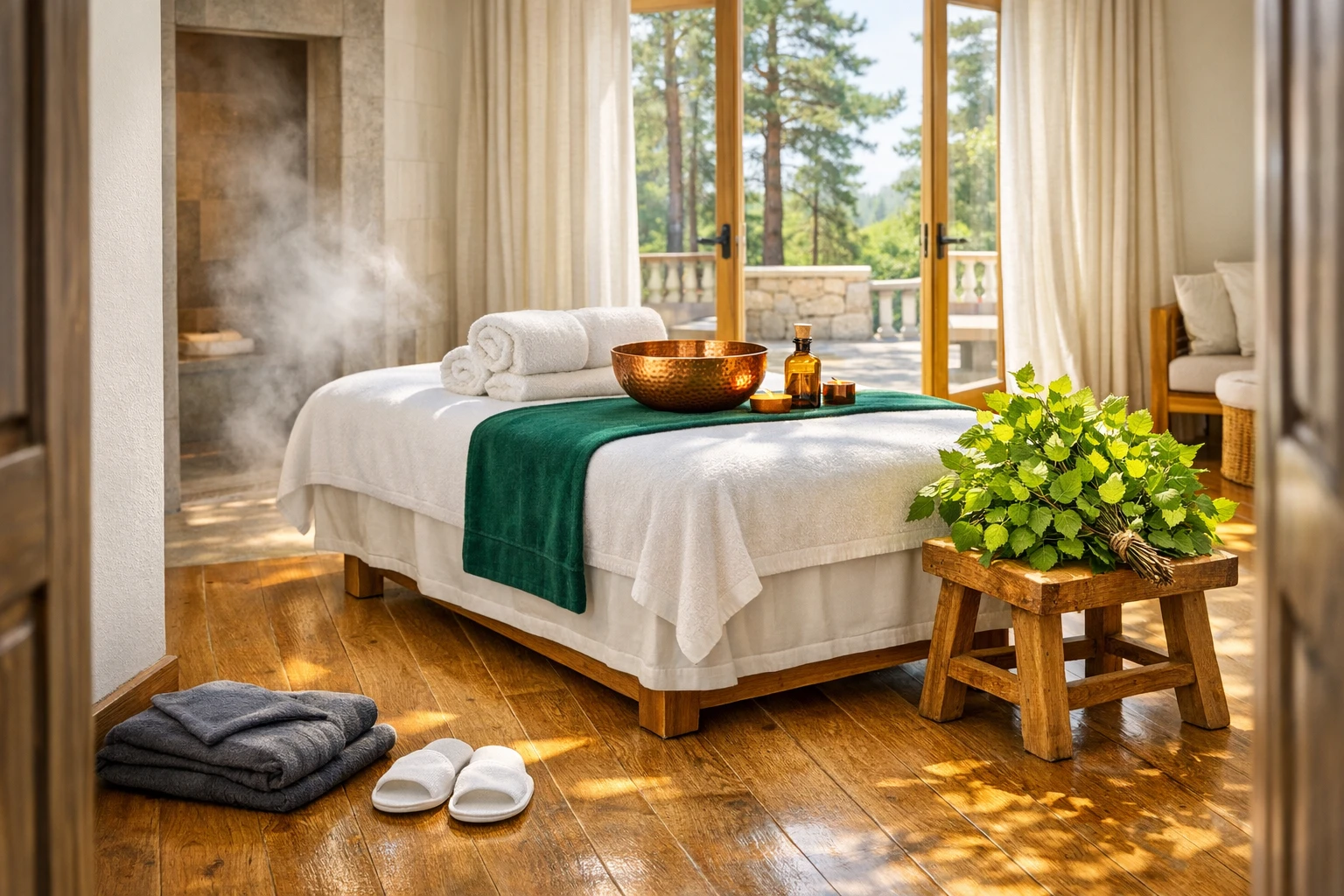
 Artificially generated image
 What to know about Russian full body massage services
Plenty of people see the phrase Russian full body massage on a spa menu and assume it describes one fixed method, but the reality is far more layered. Depending on the business, it may point to a sports-influenced treatment, a relaxation session with broader body coverage, or a service shaped by regional bathhouse traditions. Knowing the difference matters, because expectations about pressure, technique, privacy, price, and professionalism can change from one booking to the next.
This article follows a simple path so the topic feels easier to navigate.
- First, it explains how the term is used and why definitions vary.
- Next, it looks at common techniques, settings, and the feel of a professional session.
- It then covers how to choose a reputable provider and spot warning signs early.
- After that, it breaks down pricing, timing, etiquette, and basic preparation.
- Finally, it closes with practical advice for readers who want a safe and worthwhile booking.
How the term is used and why definitions vary
The first thing to understand is that Russian full body massage is not always a tightly standardized label in the way people might expect from a medical procedure. In many places, the phrase is used as a marketing description rather than a protected technical category. One spa may use it to describe a vigorous, circulation-focused body treatment. Another may use it for a broad oil massage that covers the back, shoulders, arms, legs, feet, and scalp. A clinic with a rehabilitation focus may connect it to sports recovery methods that emphasize muscle conditioning and range of motion. The same words on two websites can therefore point to noticeably different experiences.
That confusion is not unusual in the wellness world. Terms travel across borders, get translated, and then pick up local meanings along the way. Russian massage is sometimes associated with Eastern European approaches that prioritize warming the tissues, rhythmic movement, friction, compression, and functional recovery. In travel settings, the idea may even overlap with banya culture, where heat, steam, contrast temperatures, and venik brushing are part of a larger wellness ritual. That does not mean every service with “Russian” in the name includes steam or bathhouse elements. It means the label needs context.
It also helps to define “full body.” In professional practice, that usually means the therapist works across several major muscle groups during one session rather than focusing only on the neck or lower back. A full-body treatment often includes:
- Back and shoulders
- Neck and upper arms
- Hands and forearms
- Legs and feet
- Sometimes scalp or face, depending on the service menu
Exact coverage depends on time, therapist training, client comfort, and local rules. Some areas are only worked with clear consent and appropriate draping, while other areas may be excluded entirely. A reputable provider explains this without awkwardness or mystery.
Comparisons can make the picture clearer. Swedish massage is often described as smoother and more relaxation-oriented. Deep tissue work tends to concentrate on slower pressure into specific layers of muscle and fascia. Sports massage is often more goal-driven, especially for mobility, training recovery, or performance support. A Russian full body massage may borrow from one or more of these ideas, but the blend varies. That is why reading a menu headline is never enough.
Before booking, ask direct questions. The simplest checklist can save you money and prevent mismatched expectations:
- What techniques are used during the session?
- How much pressure is typical?
- Which body areas are usually included?
- How is draping handled?
- Is the therapist licensed or certified where required?
A good answer should sound clear, calm, and professional. If the description remains vague, the service itself may be vague too.
Common techniques, settings, and what a professional session feels like
Once you move beyond the label, the real question becomes practical: what happens during the appointment itself? In many professional settings, a Russian full body massage is presented as a structured treatment that combines relaxation with active bodywork. The therapist may use brisk rubbing to warm the skin, kneading to address larger muscle groups, compression to create a grounded sense of pressure, and assisted movement to improve comfort around joints. Some practitioners also incorporate tapotement, friction, or rapid stimulating strokes, particularly when the service draws from sports-oriented traditions.
The rhythm of the treatment often distinguishes it from a purely soothing spa massage. While Swedish-style sessions are frequently slow and gliding, a Russian-inspired service may feel more energetic, especially at the start when the therapist is working to increase warmth and prepare the tissues. That does not automatically mean pain or intensity. A skilled therapist adjusts technique to the client’s age, goals, and tolerance. For an athlete, the session may aim to reduce stiffness after training. For an office worker, it may target tight hips, shoulders, and the upper back. For a traveler, it may simply offer a reset after long hours of sitting.
The setting shapes the experience too. A hotel spa may present the treatment in a calming, luxury format with oils, heated tables, and quiet music. A rehabilitation clinic may focus more on assessment, posture, movement, and outcome-based work. A bathhouse or banya-style venue may combine massage with heat exposure, cooling breaks, and body rituals that feel almost theatrical in the best possible way: steam rising, towels folded neatly, and the body gradually waking up like a city at sunrise.
Most professional sessions follow a basic structure:
- A short consultation about pain points, injuries, pressure preference, and contraindications
- Clear instructions about undressing to your comfort level and how draping works
- Treatment of major muscle groups in a planned sequence
- Pressure check-ins during the session
- Brief aftercare guidance before you leave
Comparing styles can help set expectations. If you want lighter strokes and a very calming tempo, a classic relaxation massage may suit you better. If you want mobility work, firmer contact, and a stronger emphasis on muscle readiness or recovery, a Russian-style session may feel more relevant. If you enjoy heat, hydrotherapy, and cultural spa rituals, a service connected to banya traditions can add another layer.
One important note stands above all the scented oils and polished interiors: professional massage is based on consent, communication, and boundaries. The therapist should explain what is happening, ask about comfort, and respond if you want pressure adjusted or a body area skipped. A high-quality session feels organized, respectful, and surprisingly easy to trust.
How to choose a reputable provider and avoid red flags
Choosing the right provider matters as much as choosing the right massage style. A great treatment can leave you feeling looser, calmer, and better informed about your own body. A poor one can feel rushed, confusing, or simply misrepresented. Because the phrase Russian full body massage is used inconsistently, careful screening is not optional; it is part of the booking process.
Start with qualifications. Rules differ widely by country and sometimes by state, province, or municipality, so there is no single global licensing model. In some places, massage therapists must hold formal credentials and operate under health or vocational regulations. In other areas, standards are looser, and training may range from rigorous to minimal. That makes provider transparency especially important. A credible business usually lists therapist backgrounds, service descriptions, treatment lengths, and contact details in a straightforward way.
Reviews can help, but they should be read with some skepticism. Look for patterns rather than dramatic one-off comments. Several mentions of clean facilities, respectful communication, punctual appointments, and skilled pressure adjustment are useful signals. Repeated complaints about hidden fees, unclear service descriptions, or uncomfortable interactions deserve attention. Photographs can also reveal a lot. A clean room, fresh linens, accessible information, and a calm professional environment say more than flashy marketing language.
Here are some green flags worth noting:
- A clear explanation of the service and its intended purpose
- An intake form or consultation before treatment begins
- Transparent pricing and session duration
- A hygienic environment with visible professionalism
- Consent-based communication about pressure and body areas
And here are common red flags:
- Descriptions that remain deliberately vague when you ask basic questions
- Claims that the massage can treat every condition or replace medical care
- Pressure to add costly extras without explanation
- No discussion of draping, boundaries, or contraindications
- A website or ad that focuses more on suggestion than on wellness details
It is also smart to ask about medical considerations. Professional therapists should tell clients to disclose injuries, recent surgery, pregnancy, skin irritation, circulatory problems, or acute pain. Massage can be helpful for comfort and stress reduction, but it is not a cure-all. If someone promises impossible outcomes, that is not confidence; it is poor judgment dressed up as certainty.
Trust your instincts during the booking process. If communication feels slippery, if the answers are evasive, or if the environment seems designed to confuse rather than reassure, walk away. The best providers make things easy to understand. They do not hide behind mystery. They know that comfort begins before the first stroke of the session and that professionalism is not an accessory; it is the service itself.
Pricing, duration, etiquette, and how to prepare for the session
Even when people know what kind of massage they want, they are often less sure about the practical side. How long should the session be? What should it cost? Do you tip? What do you say if the pressure feels wrong? These details can make the difference between an easy, restorative visit and a slightly tense hour spent wondering whether you missed a rule everyone else somehow learned in secret.
Pricing varies enormously by location, therapist experience, business model, and venue type. A neighborhood clinic, a resort spa, and a luxury hotel may all offer a service with similar wording but very different rates. That is why local comparison matters more than generic internet averages. In many markets, the most common booking lengths are 60 and 90 minutes, with 120 minutes available for more comprehensive sessions. A 60-minute appointment often covers major areas efficiently, while 90 minutes usually allows a more even pace and a little less rushing from one muscle group to the next.
Ask what is included in the quoted price. Some businesses build aromatherapy, hot towels, or steam access into the listed rate. Others charge separately for add-ons. Clarity matters here. A professional venue should make the menu easy to understand before you arrive.
Preparation is fairly simple:
- Arrive a few minutes early so you are not starting in a hurry
- Avoid a very heavy meal right beforehand
- Drink water normally, without forcing excessive amounts
- Mention injuries, pain points, allergies, or pressure preferences
- Wear comfortable clothing for before and after the session
During the massage, communication is welcome. You can ask for more pressure, less pressure, extra cushioning, a warmer room, or a different focus area. Good therapists expect this. Silence is not a badge of toughness, and there is no prize for enduring discomfort. If music is too loud or the face cradle feels awkward, say so.
Etiquette also depends on region. Tipping is common in some countries and unusual in others, so check local norms instead of assuming one universal rule. Personal boundaries should be clear throughout. You undress only to your comfort level, and draping should be handled in a professional manner. A therapist should explain how to get on the table and what to do after the treatment ends.
Aftercare tends to be modest rather than dramatic. Some clients feel relaxed right away; others notice mild soreness if deeper work was done. A short walk, ordinary hydration, and a calmer schedule for the next hour can help. If the session was focused on recovery, note how your body responds over the following day. The useful question is not whether you felt transformed in five minutes. It is whether the treatment met the goal you booked it for.
Conclusion: what careful clients should remember before booking
If you are the kind of reader who prefers to know what you are walking into before making an appointment, that instinct will serve you well here. Russian full body massage services can be worthwhile, but only when the label is backed by a clear description, competent technique, and professional standards. The phrase itself does not guarantee a particular method. What matters is the provider’s training, the treatment structure, the communication style, and whether the service fits your actual goal.
For some people, the appeal is a more dynamic, sports-minded style of bodywork. For others, it is simple curiosity about a treatment linked to Eastern European wellness traditions. And for travelers, the attraction may be cultural atmosphere as much as muscle relief. All of those are reasonable starting points. The smart move is to turn vague curiosity into specific questions before you book.
A simple decision framework can help:
- If you want stress relief, ask whether the session is gentle, moderate, or vigorous
- If you want recovery support, ask whether the therapist works with mobility and muscle conditioning
- If you want a cultural spa experience, check whether steam, heat, or banya-style rituals are part of the service
- If you value privacy and predictability, ask about draping, consultation, and room setup
- If you have a medical condition, ask whether massage is appropriate and consult a qualified clinician when needed
The best bookings usually come from plain, unglamorous questions. What does the session include? How long is it? Who performs it? How do you handle comfort and consent? Businesses that answer these with ease tend to be easier to trust. Businesses that dance around them rarely improve once you arrive.
For first-time clients, there is no need to chase the most exotic description on the menu. Choose the provider that explains the service well, maintains a professional environment, and listens to what your body needs. For experienced spa-goers, the opportunity is a little different: compare the technique, pace, and setting to the styles you already know, and see whether the treatment offers a useful variation rather than a mysterious upgrade.
In the end, the most valuable thing to know about Russian full body massage services is not hidden in the name. It is found in the details: the therapist’s competence, the honesty of the description, and the quality of the care. Get those right, and the experience is far more likely to feel like a thoughtful wellness choice instead of a gamble.