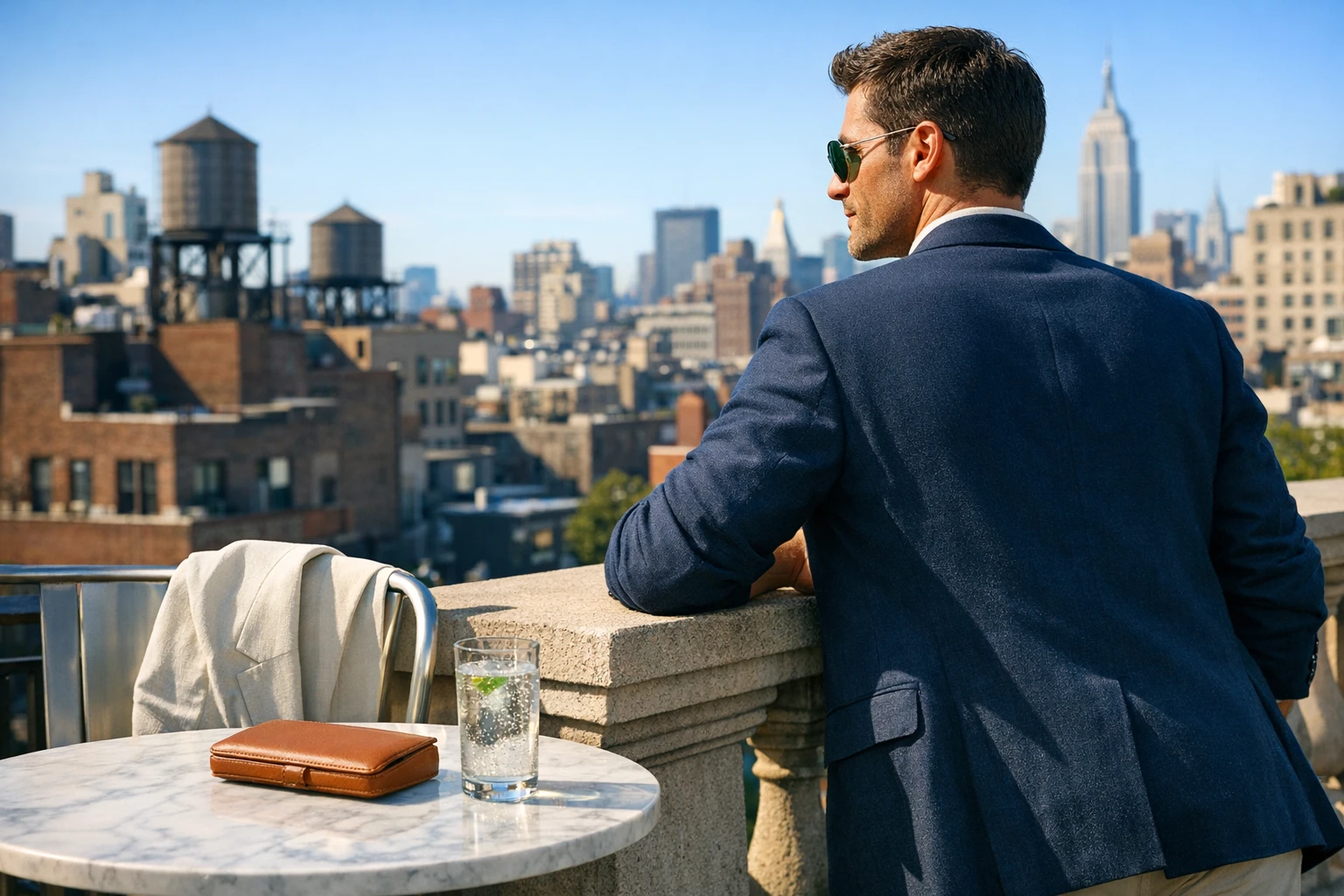
 Artificially generated image
 Discover the timeless appeal of Ray-Ban sunglasses for men
A good pair of sunglasses does more than cut glare; it frames the face, finishes an outfit, and quietly reveals something about personal taste. Ray-Ban has stayed important in men’s style because it connects real utility with a look that never feels trapped in one decade. For shoppers, collectors, and men simply trying to buy better rather than buy again, understanding that lasting appeal makes the choice far easier.
Outline: this article begins with the history and design logic behind Ray-Ban’s most recognizable frames, moves into lens technology and comfort, then compares popular styles for different face shapes and wardrobes, before ending with practical buying advice and a conclusion aimed at men who want durability, versatility, and long-term value from their eyewear.
The Origins and Design Language Behind an Icon
Ray-Ban’s reputation did not appear overnight, and that long timeline is a major reason the brand still carries weight with men today. The company began in 1937, originally connected to eyewear developed for U.S. military pilots who needed protection from intense light at high altitude. That functional starting point matters because it explains why the early designs were not created as fashion ornaments first. They were built to solve a real visual problem, and style followed usefulness. The Aviator became the most famous result, with its teardrop lens shape designed to cover a broad portion of the eye area and reduce sunlight from multiple angles.
From there, Ray-Ban expanded beyond military associations and entered popular culture. The Wayfarer, introduced in 1952, shifted the look of men’s eyewear by using a bold plastic frame that felt modern, urban, and slightly rebellious compared with thinner metal options. Later, browline-inspired styles such as the Clubmaster added another visual language, one that looked intellectual without becoming stiff. What makes these designs endure is not nostalgia alone. Each frame has a clear silhouette that can be recognized at a glance, yet none depends on excessive decoration, oversized logos, or trend-heavy detailing.
That balance is central to the brand’s appeal. Many sunglasses rise quickly because they match a moment; fewer remain useful once that moment fades. Ray-Ban has often avoided that trap by relying on proportions, line, and material rather than gimmicks. Consider the differences:
• Aviator: lighter, more fluid, and tied to utility
• Wayfarer: sharper, denser, and more casual
• Clubmaster: structured across the brow, with a dressier edge
These frames do not compete for the same role, which is part of the reason men keep returning to them. A weekend look with a T-shirt and denim may call for Wayfarers. A summer linen shirt may feel more complete with Aviators. A blazer and knit polo can pair naturally with Clubmasters. Some accessories shout for attention. Ray-Bans usually do something harder: they settle into a look so neatly that the whole outfit feels more finished. That quiet confidence is one of the strongest markers of timeless design.
Lens Technology, Materials, and the Everyday Experience of Wearing Them
Style may draw men toward a pair of sunglasses, but comfort and performance decide whether those sunglasses become daily companions or remain unused in a drawer. Ray-Ban’s lasting appeal is tied not only to famous shapes but also to practical features that influence vision, fatigue, and all-day wear. Most sun lenses in the category are designed to provide full UV protection, which is essential because sunglasses should do more than darken what you see. Protection from UVA and UVB exposure is one of the clearest functional reasons to choose well-made eyewear rather than treat sunglasses as disposable accessories.
One of the most recognizable Ray-Ban lens options is the G-15 green lens, originally developed to offer comfort in bright conditions while preserving a natural sense of color. The name refers to visible light transmission of roughly 15 percent, meaning the lens blocks most incoming visible light. Brown and grey lenses serve slightly different preferences, with brown often enhancing warmth and contrast, while grey tends to keep colors more neutral. None is automatically better in every setting. The smarter choice depends on how and where the sunglasses will be used.
Polarized lenses are another important comparison point. They reduce reflected glare from flat surfaces such as roads, water, and car hoods, which can make driving or time near the coast noticeably easier on the eyes. Non-polarized lenses can still work very well, often at a lower cost, and some wearers prefer them when looking at dashboard displays or phone screens, which can appear distorted under polarization. A practical breakdown looks like this:
• Polarized: especially useful for driving, boating, and high-glare environments
• Non-polarized: often simpler for mixed daily use and screen checking
• Glass or crystal lenses: excellent clarity and scratch resistance, but heavier
• Nylon or similar lightweight lenses: easier for long wear and generally more impact-friendly
Frame material also shapes the experience. Metal styles, such as many Aviators and Caravans, can feel light and refined. Acetate or injected frames, often seen in Wayfarer-inspired models, bring a more substantial presence and can sit differently on the nose and temples. Fit matters just as much as material quality. Poorly balanced sunglasses pinch behind the ears, slide forward, or create pressure points along the bridge. A strong pair should feel secure without feeling like a clamp. When that balance is right, you notice the world more than the eyewear, and that is usually a sign the design is doing its job.
How Men Can Choose the Right Ray-Ban Style for Face Shape, Wardrobe, and Routine
Choosing the right pair is partly about aesthetics, yet the smarter approach combines proportion, lifestyle, and personal wardrobe. Men often start by asking which model is most famous, but fame alone does not guarantee a flattering fit. A better question is this: which frame shape works with the face, daily habits, and clothing already in rotation? When sunglasses align with those factors, they look intentional rather than borrowed from a trend cycle.
Face shape is useful as a guide, not an unbreakable rule. Men with rounder faces often benefit from more angular frames because straight lines can create definition. That makes styles such as the Wayfarer, Clubmaster, or Caravan worth considering. Men with square faces may find softer curves especially flattering, which can make the Aviator or Round Metal feel more balanced. Oval faces tend to work with the widest range of options, though size still matters. Heart-shaped faces often suit frames that avoid excessive top heaviness. Here is a practical starting map:
• Round face: Wayfarer, Clubmaster, Caravan
• Square face: Aviator, Round Metal, softer geometric shapes
• Oval face: most classic designs, provided the size is right
• Heart-shaped face: balanced frames with moderate width and lighter visual weight
Wardrobe should guide the decision just as much as facial structure. The Aviator often pairs well with relaxed tailoring, knitwear, suede jackets, and warm-weather basics. It has a lighter visual footprint, so it can feel elegant even when the outfit is simple. The Wayfarer leans more casual and works well with denim, bomber jackets, hoodies, overshirts, and straightforward summer clothing. Clubmasters bring a slightly sharper, more curated mood, making them strong candidates for men who like polos, sport coats, loafers, and cleaner silhouettes.
Routine matters too. A man who drives often may prioritize polarization and a secure fit. Someone moving between office, train, and street may want a versatile pair that works with both a T-shirt and a blazer. Frequent travelers may prefer lighter frames that remain comfortable across long days. Measurements help here: lens width, bridge width, and temple length are not abstract numbers, but clues to how a frame will sit. A classic design in the wrong size can look awkward. A less famous model in the right size can look excellent. In that sense, choosing sunglasses resembles tailoring. The label opens the conversation, but fit is what completes it.
Buying Smart, Spotting Quality, and Getting Better Long-Term Value
Timeless style should not encourage careless buying. Because Ray-Ban is widely recognized, it is also widely copied, and that makes informed shopping important. The safest route is usually to buy through reputable retailers, established optical stores, or verified online sellers with clear return policies. That advice is not about prestige; it is about reducing the chances of poor construction, weak lenses, or misleading product descriptions. Counterfeit sunglasses may imitate a silhouette, but they often fail where it matters most: lens quality, finish, durability, and reliable fit.
Price is another part of the conversation. Depending on the model, lens type, retailer, and market, Ray-Ban sunglasses often sit in the mid-range to premium range of mainstream eyewear. That can feel expensive compared with fast-fashion alternatives, yet the comparison becomes more reasonable when cost is spread over time. A pair worn three or four times a week for several years may end up delivering a lower cost per wear than cheaper frames that loosen, scratch easily, or feel uncomfortable after an hour. Value is not the same as low price. It is the relationship between money spent and usefulness gained.
When comparing options, pay attention to more than branding. Consider:
• lens clarity in bright daylight
• how the hinges open and close
• whether the frame pinches or slides
• total weight on the nose and ears
• return, warranty, or adjustment support from the seller
Care also extends lifespan more than many buyers realize. Rinse dust or grit off the lenses before wiping them, because dry rubbing can cause fine scratches. Use a microfiber cloth instead of a shirt hem. Store the sunglasses in a case when they are not being worn, especially in a bag, glove compartment, or travel backpack. Avoid leaving them on a hot dashboard for long periods, since extreme heat can stress certain materials over time. If nose pads wear out or screws loosen, small repairs are often easier and cheaper than replacing the pair entirely.
There is also a practical way to think about authenticity beyond packaging or accessories. Build quality should feel coherent. The frame should open smoothly, sit evenly, and show consistency in finish rather than rough edges or mismatched parts. Product details should match the listing provided by the seller. Men buying their first pair do not need to become collectors overnight. They simply need to shop with patience, verify the source, and choose a model that will still make sense after the excitement of the purchase has faded.
Why Ray-Ban Still Resonates with Men and How to Choose a Pair That Lasts
The strongest reason Ray-Ban remains relevant is not mystery, hype, or blind nostalgia. It is usefulness shaped into familiar form. The brand sits in a rare space where fashion, function, and cultural memory overlap without cancelling one another out. Men can wear these sunglasses at twenty or fifty, with a leather jacket or a lightweight suit, on a beach holiday or during a weekday commute. That versatility is difficult to manufacture, and it helps explain why the frames continue to move across generations without seeming stranded in the past.
Another part of the appeal is emotional but still practical. Certain objects become reliable because they remove decision fatigue. A solid watch, a good leather belt, well-cut jeans, or a dependable pair of sunglasses can make getting dressed simpler. Ray-Ban often fills that role. The designs are recognizable enough to feel intentional, yet restrained enough to avoid taking over the entire look. In a crowded market full of short-lived shapes, that steadiness is refreshing.
For men deciding where to start, a few broad suggestions can help:
• Choose Wayfarers if you want maximum casual versatility and a strong silhouette
• Choose Aviators if you prefer lighter visual weight and a more open, classic line
• Choose Clubmasters if you like structured outfits and a touch of vintage character
• Prioritize polarized lenses if glare is a regular problem in your day
• Prioritize fit over popularity, because the right size beats the famous name every time
The best purchase is usually the one that matches real life, not fantasy styling. If most days involve commuting, errands, and weekend lunches, buy the pair that works with those moments. If travel, driving, or outdoor use dominates, choose comfort and glare control first. If wardrobe matters deeply to you, select the frame that supports your usual clothes instead of fighting them. A good pair of sunglasses should feel like the final sentence of an outfit: clear, precise, and well placed.
For the target audience here, men who want substance along with style, the conclusion is straightforward. Ray-Ban continues to matter because it offers designs with history, shapes with proven versatility, and performance that can justify the spend when chosen carefully. Buy with fit, use, and longevity in mind, and the result is not just a recognizable accessory. It is a practical piece of everyday equipment that also happens to look very good on the way out the door.