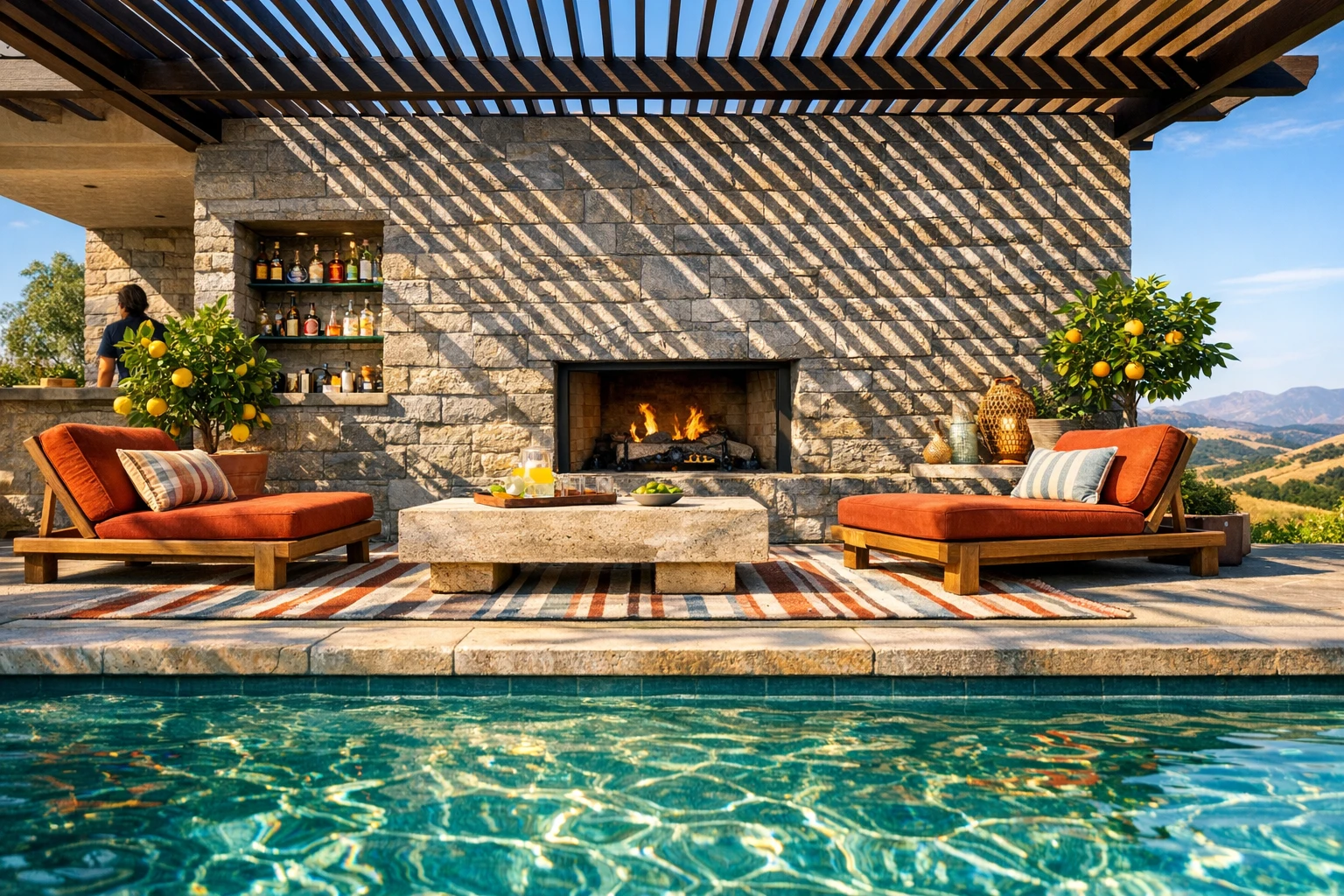
Faux Stone Panels 4×8: Why More People Are Choosing Them for Their Homes
Stone finishes have a way of making a room feel grounded, but traditional masonry is often expensive, slow, and messy to install. That is why 4×8 faux stone panels are drawing attention from homeowners who want the look of stacked stone without a full-scale renovation. These large-format panels promise faster coverage, lighter handling, and more predictable costs. Understanding how they compare with real stone can help buyers choose a finish that fits their budget, climate, and long-term plans.
Outline
- What 4×8 faux stone panels are and why interest in them keeps growing
- The practical advantages that matter to homeowners, from labor to maintenance
- How these panels fit different interior and exterior design styles
- A realistic comparison with natural stone, veneer, and other cladding options
- What to check before buying so the finished project looks convincing and lasts
What Faux Stone Panels 4×8 Actually Are and Why They Are Gaining Ground
Faux stone panels are decorative wall coverings designed to imitate the appearance of natural stone. In many cases, they are made from high-density polyurethane or similar lightweight composite materials that are molded from real stone textures. The 4×8 size refers to panels that measure four feet by eight feet, giving each panel a coverage area of 32 square feet. That large format is one of the biggest reasons they are attracting attention. Instead of installing many small pieces one by one, homeowners and installers can cover broad surfaces with fewer seams, fewer cuts, and less labor.
The appeal is easy to understand. Many people love the visual depth of stone, but not everyone wants to deal with the structural demands, cost, and installation complexity of genuine masonry. A real stone wall has presence, but it also has weight. Faux panels offer a different kind of value: the same visual idea in a lighter, more manageable form. For many renovation projects, especially cosmetic upgrades, that trade-off feels sensible rather than second-best.
Another reason for their rise is the way home improvement has changed. More homeowners now look for products that fit three conditions at once: they should be easier to install, more predictable in cost, and attractive enough to raise the overall feel of a room or exterior. Faux stone panels meet that moment well. They are often used in spaces where people want strong texture without turning the project into a major construction job. Common examples include:
- Fireplace surrounds
- Accent walls in living rooms or bedrooms
- Basement finishing projects
- Exterior facades and entryways
- Garage fronts and porch skirting
There is also a style factor. Design trends continue to favor warm, tactile surfaces over flat, featureless walls. Whether a homeowner prefers rustic stacked stone, cut-limestone looks, or a cleaner contemporary profile, faux panels now come in a wide enough range of colors and textures to suit many tastes. The better products are not trying to fool a geologist from two inches away; they are trying to create a convincing architectural effect from normal viewing distance. In daily life, that is what matters most.
Of course, not every panel is the same. Quality varies by manufacturer, finish depth, edge design, color consistency, and whether the product is rated for interior or exterior use. But the overall category has grown because it solves a practical problem. It gives homeowners access to a stone-inspired finish that feels substantial, yet behaves more like a modern remodeling material. In other words, it lets people borrow some of the romance of a mountain lodge without inviting an entire masonry crew into the house.
Why Homeowners Appreciate the Practical Benefits
The strongest argument for 4×8 faux stone panels is not just that they look good. It is that they make a demanding visual finish more manageable. In renovation, the difference between a dream project and a delayed one usually comes down to time, labor, and disruption. Faux stone panels score well on all three.
Start with installation. A 4×8 panel covers 32 square feet, which means a relatively small number of panels can transform a large wall. With natural stone or individual veneer pieces, installers must spend more time laying out materials, adjusting courses, handling mortar, and waiting for proper curing conditions. Faux panels generally avoid much of that complexity. Many systems can be mechanically fastened to a prepared surface, and that can significantly reduce labor hours. For homeowners, less labor often means lower project cost and less time living around tools, dust, and noise.
Weight is another major factor. While exact numbers vary by product, faux stone panels are typically far lighter per square foot than natural stone veneer. That matters for walls, framing, transport, and handling. A lighter product can simplify installation on many existing surfaces, although proper substrate preparation is still essential. It can also make second-floor or hard-to-access areas easier to manage compared with hauling heavier masonry materials.
Cost is where many buyers pause, and rightly so. Faux stone panels are not always cheap in the budget-store sense, but they are often cost-effective when labor is included in the equation. A lower-priced masonry material can become far more expensive once specialized installation is added. By contrast, faux panels may carry a moderate material price while keeping labor and prep more under control. That is often the real saving. For many projects, homeowners are comparing total installed cost, not just the price of a box.
Maintenance also plays a role. Real stone is durable, but some stone and mortar systems may require periodic attention depending on climate, moisture exposure, and installation quality. Faux panels are often marketed as low-maintenance because they do not need sealing in the same way many masonry products do. Routine cleaning usually involves light washing, not a deep restoration process. Homeowners who want a textured finish without adding a long maintenance checklist tend to appreciate that balance.
Several practical advantages come up again and again:
- Fewer seams on large walls
- Less installation mess than mortar-based systems
- Reduced labor compared with individual stone placement
- Lighter handling for remodels and retrofits
- Potentially lower total project costs
Then there is the everyday reality of remodeling. Not every homeowner wants a months-long transformation. Sometimes the goal is simply to make a room feel warmer, richer, or more finished before guests arrive, before a home is listed for sale, or before winter closes in. Faux stone panels fit that kind of timeline surprisingly well. They are practical products for people who want texture, not turmoil.
Design Flexibility for Interiors, Exteriors, and Different Home Styles
One reason faux stone panels have moved beyond novelty status is that they are no longer limited to one rustic look. The category has expanded into a wide range of profiles, tones, and design moods. Some panels imitate stacked ledgestone with sharp shadow lines. Others resemble fieldstone, river rock, limestone blocks, or hand-cut ashlar patterns. That variety gives homeowners room to match the finish to the architecture of the house instead of forcing the house to adapt to the material.
Inside the home, 4×8 panels work especially well where a broad, uninterrupted surface needs character. A fireplace wall is a classic example, but it is far from the only one. Large living room walls, entryways, finished basements, home bars, and media rooms can all benefit from a surface that adds depth without feeling busy. The large panel size helps here because fewer seams mean the final look reads more like a unified installation and less like a patchwork. In a room with evening lamplight or morning sun, the shadows across textured stone can make a plain wall feel unexpectedly alive.
Outside, faux stone panels are often used to create focal areas rather than cover every exterior surface. Homeowners may install them around a front entrance, along foundation walls, on columns, under bay windows, or across a portion of a garage facade. Used selectively, they can provide contrast and curb appeal without overwhelming the home. This is an important design point: stone-inspired finishes often look strongest when they are placed with intention rather than spread everywhere.
These panels can fit several visual directions, including:
- Farmhouse and rustic homes that benefit from warm, layered textures
- Modern builds that use clean-cut stone looks for contrast
- Traditional exteriors where stone details add a more established feel
- Basement or recreation spaces that need depth and personality
Color choice matters just as much as profile. Gray-toned panels can lean modern and cool, while tan, cream, and earth-brown blends often create a softer, more welcoming effect. The surrounding materials matter too. Faux stone next to stained wood, black metal, smooth plaster, or simple painted drywall can look sharp because contrast helps each element stand out. But a crowded mix of finishes can dilute the effect.
Good design with faux panels is usually about restraint and proportion. A dramatic stone wall can become the anchor of a room, but it should have a reason to exist. It should frame a fireplace, define an entry, ground a kitchen island, or give scale to an exterior elevation. When used well, the material does not merely copy natural stone. It contributes to the atmosphere of the home. It can make a blank wall feel settled, a narrow entry feel more substantial, or a basement feel less like an afterthought. That is why homeowners keep returning to it: the product offers visual character in places where plain drywall or basic siding would have little to say.
How Faux Stone Panels Compare with Real Stone, Veneer, and Other Wall Finishes
Choosing faux stone panels becomes easier when homeowners stop asking whether they are identical to real stone and start asking a better question: what is the right material for this specific project? Real stone, manufactured stone veneer, faux panels, brick veneer, wood cladding, fiber cement, and decorative wall panels all have strengths and trade-offs. The best choice depends on budget, installation conditions, expected wear, and the visual goal.
Natural stone is the benchmark for authenticity. Its variation, mineral depth, and weight give it a presence that manufactured products cannot fully duplicate. For high-end custom homes or projects where absolute material authenticity is a priority, real stone may justify the added expense and labor. But that comes with a heavier structure, more demanding installation, and usually a higher total price. It is often the premium option, and not every wall or budget calls for that level of construction.
Manufactured stone veneer sits in the middle. It often looks more realistic up close than lightweight faux panels because it is made with cement-based materials and installed piece by piece. However, it still requires more time and skilled labor than large-format panels. That means homeowners may gain realism while also inheriting a longer, more involved installation process. For some, that is a worthwhile exchange. For others, it is more complexity than the project needs.
Faux stone panels are strongest where speed, simplicity, and coverage matter. They are especially practical for remodels, accent walls, and areas where adding significant weight would be inconvenient. They also appeal to homeowners who value appearance at normal viewing distance over material purity at close inspection. That distinction is important. A family room feature wall, for example, is usually experienced as part of a whole room, not examined like a museum sample.
Compared with flatter finishes such as vinyl siding or plain wall panels, faux stone offers more dimension and a richer surface. Compared with wood, it may avoid some of the upkeep associated with painting or staining. Compared with brick-style cladding, it often creates a more rugged or layered feel. Still, it is not the right answer everywhere. Some limitations include:
- Lower-end products can look repetitive if the pattern repeats too obviously
- Improper installation can make seams easy to spot
- Extreme sun exposure may affect appearance over time if the product is not rated well
- Impact resistance varies, so high-traffic areas deserve careful product selection
Climate also matters. Exterior applications should always be checked for moisture performance, UV resistance, and the manufacturer’s installation guidance for local weather conditions. A product that works beautifully indoors may not be suitable for a wind-driven, freeze-thaw environment outside. Likewise, not every decorative panel is appropriate near heat sources unless it is specifically approved for that use.
In short, faux stone panels are not a universal replacement for masonry. They are a strategic alternative. When homeowners understand that, the category makes much more sense. It is not trying to win every comparison. It is trying to solve the right problems better than heavier, slower, and more expensive materials.
What to Check Before Buying and Installing Faux Stone Panels 4×8
A beautiful sample panel can be persuasive, but smart buyers look beyond the showroom impression. The success of a faux stone project depends on selecting the right product, buying the necessary accessories, and understanding what installation will actually involve. A little caution at the beginning can prevent a wall from looking artificial, unfinished, or short-lived.
First, confirm where the panels are intended to be used. Some are suitable only for interior applications, while others are manufactured for exterior exposure. If the project involves a fireplace surround, covered porch, or facade that receives strong sun and rain, those details matter. Product literature should clearly explain the approved uses, substrate requirements, fastener methods, and any spacing or trim instructions. If that information is vague, buyers should treat it as a warning sign rather than a minor inconvenience.
Second, ask how seams are handled. Because the panels are large, seam placement can make or break the final appearance. Better systems use interlocking edges or more thoughtfully designed pattern transitions that reduce visual repetition. It is also wise to order corner pieces, trims, or matching accessories recommended by the manufacturer. Skipping those items to save money can create a result that feels improvised rather than integrated.
Homeowners should also budget the full system cost, not just the panel price. The total may include:
- Starter strips or mounting rails
- Corner components
- Trim pieces and sealants
- Fasteners or adhesive specified by the manufacturer
- Tools for cutting and fitting panels
- Labor if professional installation is needed
Sampling is another smart step. A panel that looks perfect in online photos may read differently in natural daylight, under warm indoor bulbs, or against the actual siding, flooring, or paint color in the home. Ordering a sample can reveal whether the texture looks convincing, whether the tones are too cool or too warm, and whether the pattern feels appropriate for the scale of the space.
Installation skill is the final checkpoint. Many faux stone panel systems are more DIY-friendly than masonry, but that does not mean they are foolproof. Large panels demand careful layout, precise measuring, and attention to alignment. A rushed first row can create a problem that travels across the entire wall. Exterior projects also require weatherproof detailing and correct fastening. Homeowners should be honest about whether the project suits their tools, patience, and experience. Hiring a skilled installer for a visible focal wall may be money well spent.
The best buying decision usually comes down to a simple principle: choose the product that looks right for your home and performs right for your conditions. A convincing finish is not just about texture. It is about how the material is detailed, fitted, and allowed to do its job over time.
Final Thoughts for Homeowners
For homeowners who want the look of stone without turning a remodel into a major construction event, 4×8 faux stone panels offer a practical middle ground. They combine broad coverage, lighter weight, flexible styling, and easier installation in a way that suits many modern renovation goals. They are not identical to quarried stone, and they do not need to be to provide real value. If you choose a quality product, match it to the right location, and pay attention to layout and finishing details, faux stone panels can deliver a polished result that feels warm, textured, and thoughtfully designed.