 Artificially generated image
 2-Night All-Inclusive Resort Getaway in Sherwood Forest
Few places suit a quick reset like Sherwood Forest, where ancient oaks, quiet paths, and Robin Hood lore give a short stay unusual depth. A two-night all-inclusive resort break is relevant because it turns travel, dining, and downtime into one simpler decision. That convenience appeals to couples, families, and friends who want a countryside escape without weeks of planning. The guide below maps out the experience, the likely inclusions, the trade-offs, and the travelers who get the most from it.
Article Outline
- Why Sherwood Forest works especially well for a short resort escape
- What an all-inclusive package in this region usually includes, and what it may not
- A realistic two-night itinerary with room for both activity and rest
- Comparisons by travel style, season, and guest priorities
- Booking advice, budgeting notes, and a final conclusion for likely visitors
Why Sherwood Forest Works So Well for a Short Resort Escape
Sherwood Forest has a built-in advantage for short breaks: it feels storied before you even unpack. Located in Nottinghamshire, roughly 20 miles north of Nottingham, the area combines historic associations, accessible countryside, and a pace that suits a two-night stay surprisingly well. Unlike destinations that need several days to justify the travel time, Sherwood Forest rewards visitors almost immediately. Within a single afternoon, you can check in, walk beneath old trees, breathe air that feels cooler and cleaner than the city, and settle into the kind of rhythm that longer holidays often take a day or two to find.
Part of the appeal is contrast. A city weekend usually runs on noise, reservations, and movement. A beach trip often revolves around weather and crowds. Sherwood Forest offers something different: a wooded landscape where the scenery is less about spectacle and more about atmosphere. The famous Major Oak, often estimated to be between 800 and 1,000 years old, gives the area a genuine sense of age, while nearby trails, visitor sites, and country-house settings keep the trip easy to structure. This is not remote wilderness in the dramatic, rugged sense. It is a more usable kind of countryside, one that lets visitors enjoy nature without turning the trip into a logistical exercise.
That matters because a two-night getaway has very little margin for wasted time. If your accommodation includes meals, selected drinks, spa access, or bookable activities, the overall experience becomes less fragmented. You do not need to hunt for breakfast, compare half a dozen dinner options, or fill awkward gaps between check-in and evening plans. For busy travelers, that simplicity is often the real luxury. It preserves attention. Instead of spending the break managing the break, you can actually be in it.
A growing body of research also links time in green spaces with better mood and lower perceived stress, which helps explain why wooded destinations tend to feel disproportionately restorative. Sherwood Forest suits that effect well. You can stroll rather than rush, notice birdsong instead of traffic, and trade packed schedules for a gentler sequence of meals, walks, and quiet intervals. In practical terms, it is an efficient short-break destination. In emotional terms, it feels pleasantly larger than a map might suggest.
What “All-Inclusive” Usually Means in Sherwood Forest
The phrase “all-inclusive” can create the wrong picture if it is borrowed too literally from beach resorts in the Mediterranean or Caribbean. In Sherwood Forest and the wider English countryside, the model is often more modest and more specific. A package may include accommodation, breakfast, dinner, selected drinks, leisure access, and one or two activities, but it will not always cover everything a guest might casually assume is included. Understanding that difference is essential if you want to judge value fairly rather than arrive with unrealistic expectations.
In this region, an all-inclusive package often sits somewhere between a traditional hotel stay and a full resort pass. The strongest offers usually bundle the elements that matter most on a short escape: your room, main meals, access to a pool or spa area, and at least one experience such as a guided walk, bike hire, afternoon tea, or a wellness class. Some properties also add parking, early check-in, or discounted treatments. Others use a dining credit system rather than unlimited food and drink. That can still be useful, especially for travelers who prefer quality over excess, but it is different from open-ended resort consumption.
Common inclusions often look like this:
- Two nights of accommodation in a hotel room, lodge, or woodland cabin
- Breakfast on both mornings
- Dinner on one or two evenings, sometimes as a set menu or credit
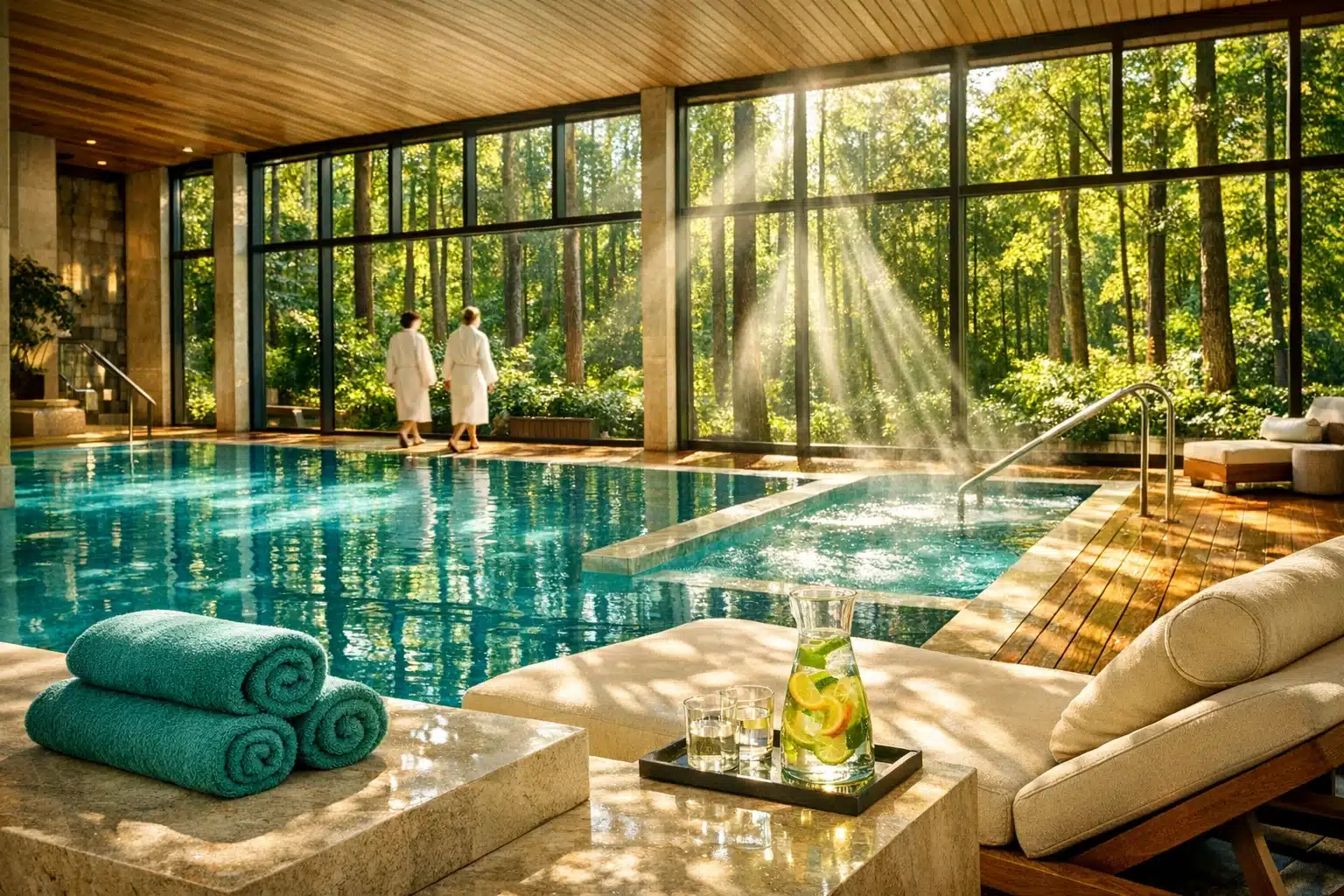
- Access to spa, pool, sauna, or fitness facilities
- One activity, such as archery, cycling, nature walks, or seasonal entertainment
Typical extras may still apply, and they are worth checking before you book:
- Alcohol beyond a limited package allowance
- Premium dining upgrades or room service
- Spa treatments rather than basic spa access
- Pet fees, parking charges, or late checkout
- Off-site excursions to heritage sites or nearby attractions
Compared with self-catering, all-inclusive packages reduce friction and make spending more predictable. Compared with bed-and-breakfast stays, they often feel more seamless and less weather-dependent because leisure time is built into the property itself. Compared with luxury city hotels, they usually offer more space and stronger connection to the setting, though sometimes with less late-night variety. The best way to assess value is to ask one simple question: if you priced the room, meals, and activities separately, would the package still feel sensible? If the answer is yes, the convenience becomes a bonus rather than a marketing trick.
A Realistic 2-Night Itinerary: From Check-In to Checkout
A well-planned two-night break in Sherwood Forest does not need to be packed to feel complete. In fact, the most satisfying version usually leaves breathing room. The setting does some of the work for you. Trees, open paths, and slower evenings create a natural sense of pace, so the goal is not to cram every hour with activity. It is to arrange the trip so that meals, movement, and rest support one another. Think of the weekend as a neat little arc: arrive, settle, explore, unwind, and return home feeling as though the days stretched further than they really did.
Day one works best when it begins early enough to reclaim part of the afternoon. Arrive, check in, and have lunch on site if the package includes it. After travel, a gentle woodland walk is often the smartest first activity. It helps you switch context without demanding much effort. If your resort has spa access, this is also a strong time to use it. A quiet pool, thermal suite, or treatment room can make the whole stay feel anchored from the start. By evening, dinner becomes more than just a meal; it marks the point where the getaway truly begins. A decent all-inclusive plan removes the usual debate over where to eat, which means less scrolling and more presence.
Day two is where Sherwood Forest earns its reputation as a short-break destination. This is the best day for a longer outing, whether that means walking near the Major Oak, exploring the Sherwood Forest National Nature Reserve, or visiting a nearby heritage site such as Rufford Abbey. Active guests may prefer cycling, trails, or outdoor sessions arranged through the resort. Those leaning toward recovery rather than adventure can split the day more softly: late breakfast, spa, lunch, an easy afternoon wander, then a slower evening. Families often do best with a mixed schedule that alternates movement and downtime rather than treating the forest like a nonstop activity park.
A balanced version of the second day might include:
- Breakfast on site before the busiest visitor hours
- A morning walk or guided nature activity
- Lunch back at the resort or at a nearby estate café
- An afternoon of spa access, reading, swimming, or informal games
- Dinner followed by live music, a lounge drink, or an early night
Day three should stay intentionally light. Breakfast, one final stroll, perhaps coffee on a terrace or by a window facing trees, then checkout. That final morning matters. If you over-schedule it, the break ends in a rush. If you leave it open, the trip closes on the right note: calm, full, and just a little reluctant to end.
Comparing Travel Styles, Resort Priorities, and the Best Time to Go
Not every Sherwood Forest getaway looks the same, and that is part of the destination’s strength. The same two-night format can support a romantic escape, a family weekend, a friends’ reunion, or a solo recharge, but the “right” all-inclusive package changes with the traveler. Couples usually benefit most from spa-forward resorts where dining and atmosphere carry as much weight as activities. Families often get better value from places with flexible room types, indoor leisure options, and enough casual programming to keep children engaged if the weather shifts. Groups of friends may prefer lodge-style accommodation with shared spaces, while solo visitors often care most about comfort, walkability, and a calm setting that never feels awkward for one guest.
The first useful comparison is between activity-led and relaxation-led stays. An activity-focused break prioritizes bike hire, walking trails, archery, nearby attraction access, and energetic afternoons. It suits travelers who want to use the forest as a backdrop for doing things. A relaxation-focused stay emphasizes spa access, generous dining windows, scenic lounges, and quiet bedrooms. That works better for guests who are less interested in ticking off sights and more interested in reducing mental noise. Neither version is better in the abstract; the mistake is booking one while secretly wanting the other.
Season also changes the entire mood of the trip. Spring brings fresh color, birdsong, and comfortable walking temperatures. Summer offers longer daylight hours and easier family travel, but also busier periods and potentially higher rates. Autumn is arguably the most atmospheric, with copper leaves, cooler air, and the kind of forest scenery that makes even a short walk feel cinematic. Winter can be deeply appealing for spa stays, festive packages, and cozy interiors, although outdoor time becomes more weather-dependent. For many travelers, shoulder seasons deliver the best balance of price, comfort, and atmosphere.
Here is a practical way to match style to season:
- Spring: best for walkers, photographers, and guests who want lively landscapes without peak crowds
- Summer: strong for families, outdoor dining, and longer itineraries built around daylight
- Autumn: ideal for couples, scenic short breaks, and travelers who value atmosphere over heat
- Winter: strongest for spa packages, festive dining, and quiet restorative weekends
There is also a quality difference between resorts that merely happen to be near woodland and those that genuinely use the setting well. The better properties create a sense of place through views, local food references, nature-linked activities, and room layouts that invite guests to slow down. The weaker ones treat the forest as background decoration. When choosing, ask whether the resort experience feels shaped by Sherwood Forest itself. If it does, the stay becomes more coherent, and the destination stops feeling interchangeable.
Booking Strategy, Budget Expectations, and Final Thoughts for the Right Traveler
A two-night all-inclusive break in Sherwood Forest can be good value, but only if you book with clear priorities. The headline price alone does not tell the full story. One package may seem cheaper until you add dinner, drinks, parking, activity fees, and late checkout. Another may look expensive at first glance, yet become more economical once meals, spa entry, and an excursion are already covered. The most useful mindset is not “What is the lowest rate?” but “What combination of comfort, inclusions, and convenience saves me money and time overall?” That question tends to lead to better choices.
Weekend rates are usually higher than midweek prices, and school holidays can push family-focused properties upward as well. If your schedule is flexible, a Sunday-to-Tuesday stay often offers better value and a quieter atmosphere. If you need a Friday or Saturday arrival, booking earlier matters more, especially for larger rooms, spa slots, and high-demand seasonal packages. Cancellation terms deserve real attention too. A slightly higher refundable rate can be the wiser option if transport, work schedules, or family obligations are uncertain.
Before confirming any package, check these details carefully:
- Whether “all-inclusive” means full board, half board, or a dining credit model
- Which drinks are included, if any, and during what hours
- Whether spa access is guaranteed or requires pre-booked times
- How many activities are included and whether equipment hire costs extra
- What fees apply for pets, children, parking, or upgraded rooms
- How close the resort is to the forest sites you actually want to visit
For the target audience, the fit is fairly clear. Couples looking for an easy romantic weekend can get a lot from the combination of woodland scenery, bundled dining, and spa time. Parents who want a short family trip without constant decision-making may appreciate the structure and predictable costs. Friends planning a low-effort reunion can use the package format to keep logistics simple and the mood relaxed. Solo travelers who want calm rather than isolation may also find the setting rewarding, especially if the property balances comfort with outdoor access.
In the end, Sherwood Forest is not about bragging rights or blockbuster novelty. It is about proportion. Two nights are enough to enjoy the landscape, the legend, and the practical ease of a resort package without turning the trip into a major operation. For travelers who value atmosphere, manageable planning, and a better rhythm than everyday life usually allows, this kind of getaway makes very good sense.