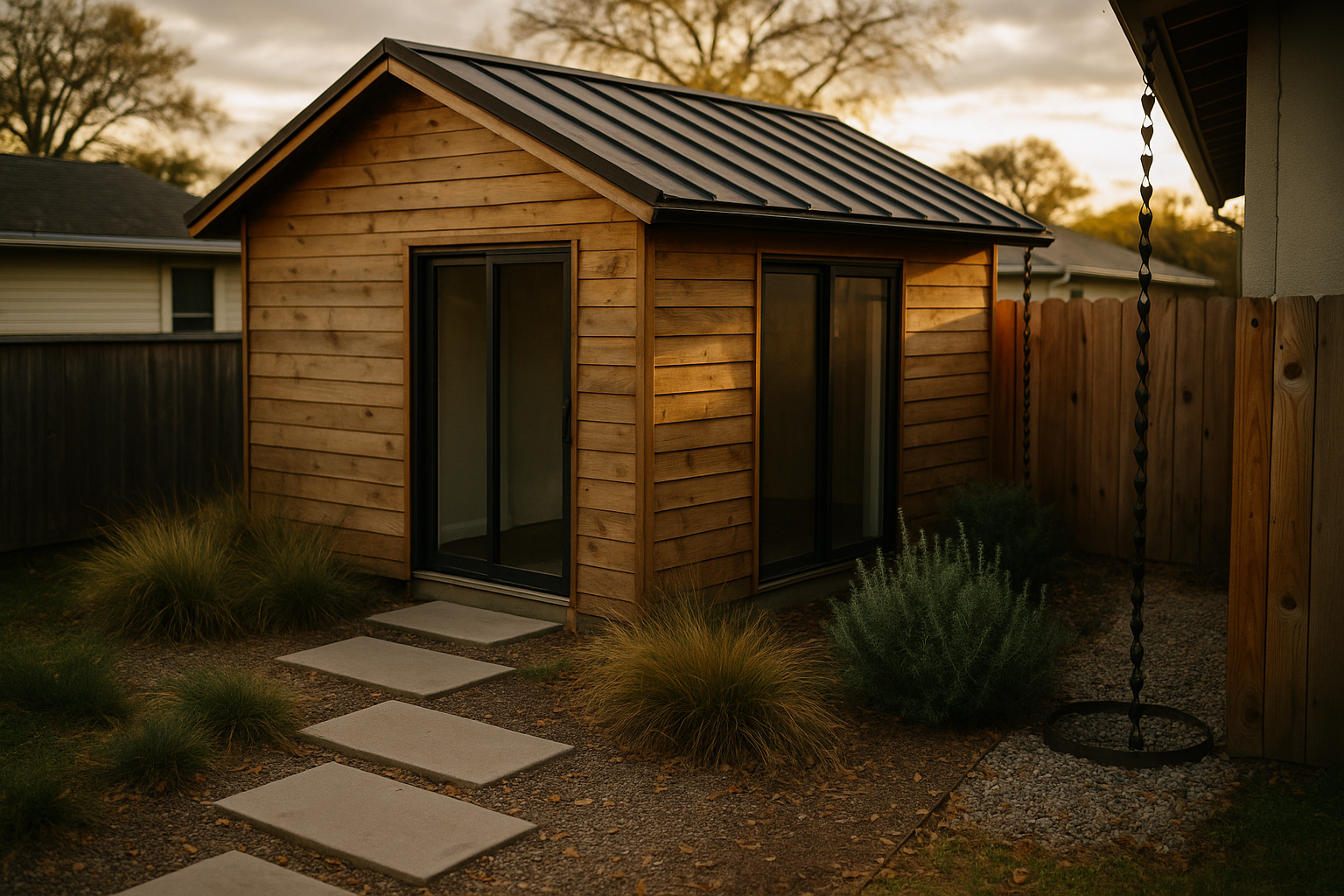
Modern Backyard Apartments: A Practical Guide to Planning, Design, and Costs
Outline and First Steps: Planning and Policy Foundations
Before diving into drawings or bids, map the journey. Outline of this guide:
– Planning and policy: zoning, permitting, site feasibility
– Design: space planning, privacy, comfort, sustainability
– Construction: methods, materials, and timelines
– Costs: budgets, financing, and sample numbers
– Delivery and operations: project management, utilities, and long‑term value
Backyard apartments—also called accessory dwelling units (ADUs), secondary suites, or coach houses—add living space on a lot with an existing primary home. Local rules shape what is possible, so start with your jurisdiction’s development standards. Common levers include maximum size (often 500–1,200 sq ft), height (typically 16–25 ft for detached forms), lot coverage or floor area ratio limits, setbacks (4–10 ft), and parking. Many cities have relaxed off‑street parking mandates near transit, but requirements vary widely. Owner‑occupancy rules, short‑term rental limits, and utility connection policies can shift both feasibility and operating plans.
Permitting pathways also differ. Some municipalities offer pre‑approved plan catalogs that can shorten review, while others require full plan checks and neighborhood notifications. Expect a review window of 4–20 weeks depending on location and complexity. Fire separation from the main house, egress windows, and stormwater rules are common technical checkpoints. If you’re in a wildfire, flood, or coastal zone, additional standards may apply, affecting materials, defensible space, or foundation types.
A quick feasibility checklist helps avoid surprises:
– Verify zoning and allowable ADU type (detached, attached, over-garage, or conversion)
– Measure buildable area after setbacks, easements, and trees
– Confirm utility routes and capacity for water, sewer, power, and gas
– Note access for construction equipment and material staging
– Ask planning staff about fees: impact, school, utility, and plan review
Gathering this information early clarifies what you can build and how long it may take. It also frames financial choices by revealing soft costs and site constraints. A brief pre‑application meeting or call with your planning department can save weeks later. Think of this phase as setting the rules of the game; once known, you can explore designs that fit comfortably within them.
Design That Works: Space, Light, and Privacy
Successful backyard apartments feel larger than their square footage suggests. Start with a clear program: sleeping capacity, storage needs, work-from-home space, and accessibility goals. For 350–800 sq ft, prioritize multi‑use zones and daylight. An open living‑kitchen core with tucked‑away bedroom or sleeping loft keeps circulation compact. Group plumbing along one wall to simplify costs. Keep hallways minimal; let furniture arrangements, ceiling changes, and built‑ins create soft divisions instead of long corridors.
Light is the most economical amplifier of space. Consider tall windows placed for privacy rather than size alone, clerestory glazing to pull in sky views, and glass doors oriented away from the main house. A 2–3 ft roof overhang controls glare and rain splash while reducing solar gain. Light‑colored interior finishes bounce daylight, but add wood textures or matte tiles for warmth and slip resistance. For privacy, stagger windows so sight lines from the main home and neighboring yards do not align. Landscape screens—bamboo in planters, native grasses, or a trellis with vines—create gentle separations without heavy fences.
Acoustic comfort matters in urban lots. Use resilient channels or mineral wool in interior partitions, upgraded door gaskets, and area rugs on hard floors. A simple rule: upgrade the bedroom assembly first, then the wall facing the main house. For ventilation, combine operable windows with a continuous exhaust fan or balanced system. Meeting energy codes with higher insulation values (for example, R‑21 walls and R‑38 ceilings where applicable) improves comfort and lowers utility bills; airtightness targets reduce drafts and help right‑size heating and cooling equipment.
Three popular layouts:
– Compact studio: one large room with a defined sleeping nook, a linear kitchen, and a generous bathroom with space for stacked laundry
– One‑bedroom L‑shape: separates living and sleeping wings, naturally creating a small courtyard between the ADU and main house
– Over‑garage suite: elevated living with ground‑level storage; adds stairs, so include landings, solid handrails, and good lighting
Universal design adds long‑term flexibility: zero‑step entries, 36‑inch doors, curbless showers, blocking for grab bars, and lever handles. Sustainable moves—shaded glazing on the west, continuous insulation, heat‑pump equipment, induction cooking, and low‑flow fixtures—support lower operating costs and better indoor air quality. Material choices should be durable and repairable: fiber‑cement or wood siding with ventilated rainscreens, standing‑seam or high‑quality asphalt roofing with ice and water shielding where needed, and durable flooring like engineered wood or luxury vinyl plank. Designed thoughtfully, a small footprint can host a surprising range of life without feeling cramped.
How You Build It: Methods, Materials, and Timelines
Choosing a delivery method affects price, schedule, and on‑site disruption. Three broad approaches dominate: site‑built, panelized, and modular. Site‑built means all framing and finishes happen on your property—high flexibility, easier customization, and straightforward inspections, but weather exposure and longer timelines. Panelized systems frame walls and roofs in a factory, then assemble quickly on site; this reduces waste and speeds dry‑in while keeping design options open. Modular units are built as volumetric boxes off‑site, then craned into place; they compress on‑site time dramatically, though transportation limits module size and some customization.
Pros and cons at a glance:
– Site‑built: familiar trades, adaptable details, and easy changes; slower and more sensitive to rain or heat
– Panelized: faster enclosure and consistent quality; requires precise foundation and planning
– Modular: shortest on‑site disruption; constrained dimensions, crane logistics, and early decisions locked in
Garage conversions often appear cost‑effective because the shell exists, but structural upgrades can be significant: new slab with moisture barrier, seismic reinforcement, fire separation from the garage (if any portion remains), and new utilities. Detached ground‑up units need foundations—slab‑on‑grade, stem wall, or piers—selected for soil conditions, frost depth, and drainage. Over‑garage suites use beefed‑up framing, engineered joists, and careful vibration control. In cold climates, address frost heave; in hot or wildfire zones, consider ember‑resistant vents, Class A roofing, and noncombustible claddings.
Material choices balance cost and durability. Common structural systems include wood stud framing (economical and flexible), structural insulated panels (high thermal performance, fewer air leaks), and insulated concrete forms (durable and quiet, with higher upfront costs). Exterior finishes—fiber‑cement, stucco, or charred wood—stand up to weather when paired with a ventilated rainscreen. Inside, choose water‑resistant backer boards in wet areas, PEX for plumbing, and sealed ductwork with MERV‑rated filtration for better air quality. Low‑VOC paints and formaldehyde‑free cabinets help maintain healthier interiors.
Schedules vary by method and jurisdiction, but a reasonable planning horizon runs 6–12 months from concept to occupancy. A typical sequence:
– Predesign and surveying: 2–6 weeks
– Design development and engineering: 4–10 weeks
– Permitting: 4–20 weeks
– Site work and foundation: 2–6 weeks
– Framing to dry‑in: 2–6 weeks
– Rough‑ins and inspections: 3–6 weeks
– Finishes and punch list: 4–8 weeks
Clear milestones—permit ready set, dry‑in, rough‑in signoffs, substantial completion—help keep teams aligned and reduce change orders. Whatever the method, plan staging area access, protection for existing landscaping, and neighbor communication to smooth the build phase.
What It Costs: Budget, Financing, and Real‑World Numbers
Budgets hinge on scope, site conditions, and finish levels. For many markets, detached backyard apartments land roughly in the $250–$600 per sq ft range all‑in, while garage conversions can trend lower per square foot but spike when slabs, seismic, or utilities need major upgrades. Rather than fixating on a single number, build a layered budget with contingencies and track allowances closely.
Typical cost buckets:
– Site work: surveys, soils reports, demolition, grading, tree protection ($3,000–$20,000+)
– Foundation: slab, stem wall, or piers with drainage ($15,000–$50,000+)
– Framing, sheathing, and roofing ($35,000–$100,000+ depending on size)
– Windows, doors, and exterior cladding ($15,000–$60,000+)
– Mechanical, electrical, plumbing: equipment, ducting, wiring, fixtures ($30,000–$90,000+)
– Interiors: insulation, drywall, cabinets, counters, flooring, tile, paint ($30,000–$100,000+)
– Soft costs: design, engineering, permits, impact/utility fees (often 12–25% of construction)
– Contingency: 7–15% for unknowns; higher for older garages or complex sites
Illustrative all‑in ranges (project‑dependent):
– Garage conversion (350–500 sq ft): $80,000–$180,000
– Detached studio/1‑bed (400–700 sq ft): $180,000–$350,000
– Larger detached (700–1,000 sq ft): $280,000–$600,000+
Financing options include home equity lines, cash‑out refinancing, renovation or construction‑to‑permanent loans, and, in some regions, incentive programs or fee reductions for long‑term rentals or affordability commitments. Lenders typically review plans, budget, and contractor credentials; some require interest‑only payments during construction and convert to amortizing loans at completion. Factor in appraisal approaches—many appraisers use a cost‑plus or income method for ADUs—and verify that local guidelines recognize the added value of a secondary unit.
Operating projections should be conservative. Consider:
– Market rent for similar square footage in your neighborhood
– Utility approach: separate meters, submetering, or flat utility charge
– Insurance and property tax changes
– Maintenance reserve (often 1–2% of construction cost annually)
– Vacancy and turnover assumptions
A simple payback view divides total project cost by annual net income, yielding a ballpark timeline. For example, a $260,000 project generating $1,900 per month in gross rent and $1,300 in estimated net after expenses lands near a 16–17 year simple payback; rising rents or loan amortization can change that outlook. Sensitivity testing—varying rent by ±10% and interest rates by ±1–2%—reveals how resilient your plan is before committing funds.
From Groundbreaking to Move‑In: Management, Utilities, and Long‑Term Value
Coordinated project management keeps cost and schedule on track. Start with clear roles: a designer for code‑compliant plans, an engineer for structure and sometimes soils, and a licensed contractor who manages trades and inspections. Solicit at least three detailed proposals using the same drawings and specifications so pricing is comparable. Look for clear inclusions and exclusions, allowance amounts for finishes, and a payment schedule tied to milestones rather than calendar dates. Require certificates of insurance and verify licenses. A preconstruction meeting aligns expectations on site access, working hours, material storage, and protection of existing trees and utilities.
Utilities deserve early attention. New detached units may require a separate sewer lateral or an approved connection with a backflow device; water service sizing must match expected demand; electrical loads often justify a panel upgrade. Weigh separate metering for accountability against the simplicity of shared service with submetering. For stormwater, plan infiltration or capture where required and use permeable paths to reduce runoff. If solar is common in your area, consider a conduit path and roof readiness even if panels come later; orientation and roof shading analysis are easier to solve before framing.
During construction, weekly check‑ins and photo logs catch issues early. Document change orders in writing with cost and schedule impacts. Maintain a submittal register for windows, doors, fixtures, and finishes to avoid last‑minute substitutions. Inspections typically occur at foundation, framing, rough‑in, insulation, and final; schedule ahead to avoid gaps. At handover, request a closeout package: warranties, appliance manuals, paint and grout colors, and as‑built drawings marking shutoff valves and cleanouts. A 60‑ to 90‑day walk‑through helps catch settling cracks or minor adjustments.
Long‑term value flows from thoughtful operations. Establish house rules for privacy—separate paths, outdoor lighting shields, and clear boundaries for yard use. For maintenance, build a seasonal checklist:
– Roof, gutters, and downspouts after storms
– Caulk and sealants at wet zones annually
– HVAC filter changes quarterly; mini‑split coil cleaning annually
– Exterior repainting or resealing every 5–10 years, material‑dependent
Insurance updates should reflect the added structure and its use. Confirm that local regulations around rentals are met, including safety devices, egress, and occupancy limits. Track performance against your original pro forma and set aside reserves for future upgrades. Appraisers and buyers often value ADUs for flexibility: aging in place, home offices, or steady rental income. With balanced planning and ongoing care, the small home in your backyard can provide steady utility for decades.
Conclusion: For Homeowners and Small‑Scale Investors
Backyard apartments reward patience and planning. By confirming local rules early, shaping a light‑filled and private layout, selecting the right build method for your site, and budgeting with contingencies, you reduce risk and gain clarity. Whether your goal is family flexibility or steady rent, the path becomes manageable when broken into the steps outlined here. Treat the project like a compact version of a larger development—disciplined, documented, and realistic—and you’ll create a durable asset that serves people and property alike.