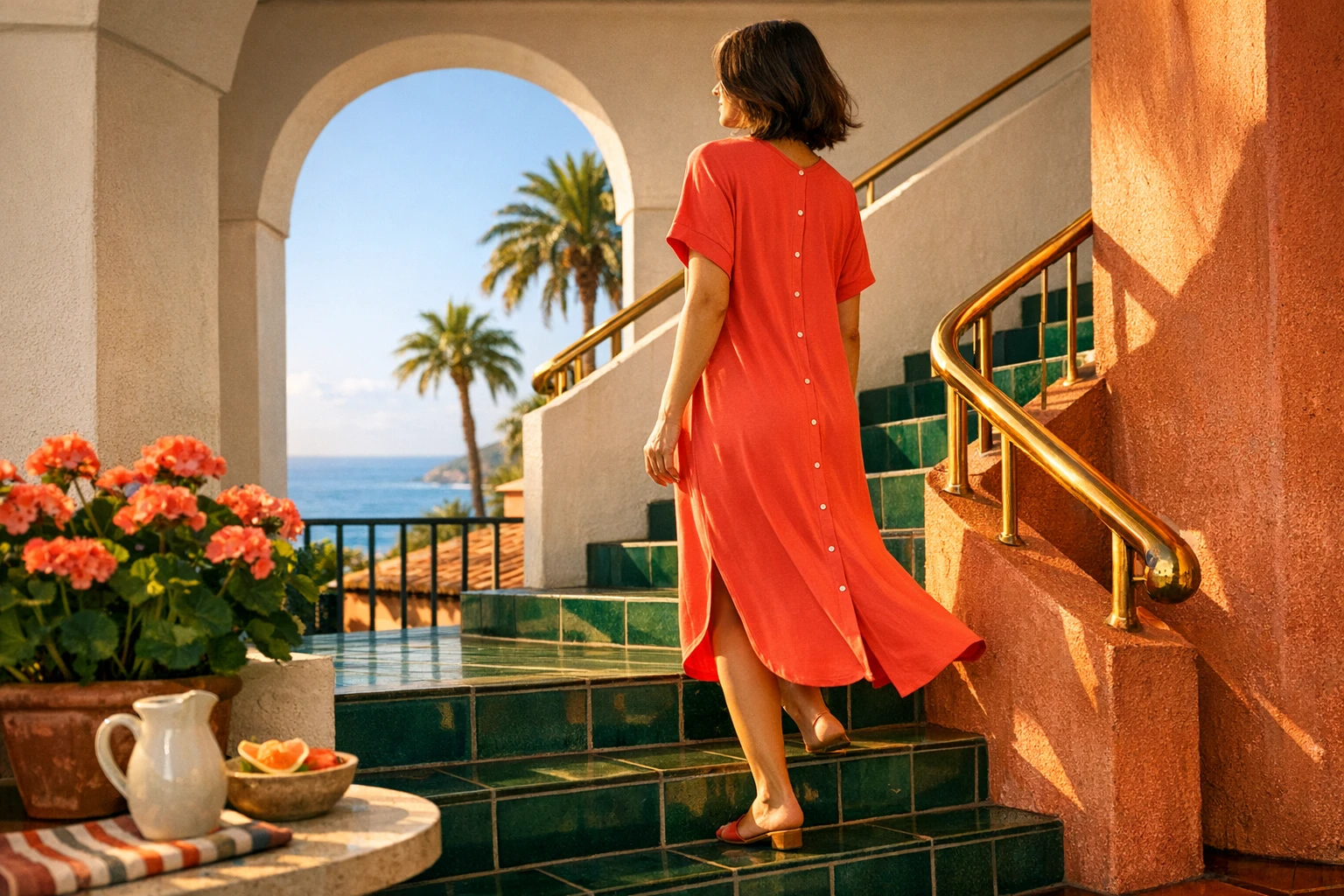
 Artificially generated image
 Front-Open Nightgowns in 2026: Where Comfort Blends with Smart Design
In 2026, a front-open nightgown is no longer a niche garment tucked away for hospital bags or old-fashioned wardrobes. It sits at the crossroads of sleep comfort, practical dressing, and thoughtful product design, serving people who want ease without giving up style. From breathable fabrics to closures that work smoothly in low light, the category now reflects how modern shoppers live, recover, travel, and rest. Understanding these changes makes it much easier to choose sleepwear that genuinely fits everyday life.
Outline: This article begins by explaining why front-open nightgowns matter more in 2026 than they did in earlier years. It then compares fabrics and temperature-control options, breaks down the design features that improve usability, and shows how different shoppers can choose the right style for their routines. The final section offers a clear conclusion for readers who want to buy less impulsively and sleep more comfortably.
The 2026 Shift: Why Front-Open Nightgowns Matter More Than Ever
Front-open nightgowns have quietly moved from a narrow specialty item into a practical mainstay of modern sleepwear. A decade ago, many shoppers associated them with hospital stays, traditional housecoats, or older dress standards. In 2026, that perception has widened considerably. Sleepwear now overlaps with loungewear, adaptive clothing, maternity essentials, travel clothing, and work-from-home comfort. That shift matters because people no longer expect nighttime clothing to do only one job. They want garments that feel soft in bed, look presentable enough for a quick coffee on the balcony, and make dressing easier when energy is low or movement is restricted.
A front-opening design answers several common frustrations in one move. Pulling a gown over the head can be annoying after skincare, difficult with damp hair, and uncomfortable for anyone dealing with shoulder stiffness or temporary recovery. By contrast, a front-open style allows the wearer to step into a calmer routine. It opens, settles, and closes without much drama. That small difference can feel surprisingly important at the end of a long day, when even minor inconveniences seem louder than they are.
Its usefulness stretches across different groups of shoppers. Consider how many routines benefit from easier dressing: • people who nurse or pump at night • older adults who prefer less overhead movement • anyone packing for a hospital stay or recovery period • travelers who want versatile sleepwear • hot sleepers who like adjustable ventilation. None of these groups needs the exact same gown, but they all benefit from the same principle: access matters.
Another reason these garments feel timely in 2026 is that brands have improved the look. Front-open no longer means shapeless or purely functional. Many designs now borrow from shirtdresses, robe silhouettes, and minimalist loungewear. Hidden plackets, soft collars, curved hems, tonal piping, and better drape have turned a once-utilitarian category into something more polished. The result is a garment that can feel quietly elegant while still being very practical.
That blend of comfort and intelligence explains the renewed interest. People are paying closer attention to how clothing behaves in real life, not just how it looks on a product page. A well-made front-open nightgown respects those ordinary moments when comfort is not a luxury at all, but a form of everyday support.
Fabrics and Temperature Control: What Really Shapes Nighttime Comfort
If design is the visible part of a nightgown, fabric is the part that earns trust. In 2026, shoppers are more fabric-literate than before, largely because they have learned through experience that softness alone does not guarantee comfort. A garment can feel lovely in the hand and still trap heat, cling to the skin, wrinkle excessively, or lose shape after a few washes. For front-open nightgowns, the choice of material affects drape, closure performance, ease of movement, and temperature regulation.
Cotton remains a dependable favorite because it is breathable, widely available, and easy to wash. Lightweight cotton poplin or lawn often feels crisp and airy, which suits warm climates or those who dislike heavy fabrics. Cotton jersey, by contrast, has stretch and a more relaxed hand, making it a strong choice for people who want a softer, T-shirt-like feel. Modal and lyocell blends have also gained ground because they tend to drape smoothly and feel cool against the skin. These fibers can create an elegant silhouette without making the garment feel stiff. However, they sometimes require more careful laundering than basic cotton, especially if the fabric is very fine.
Several brands now describe fabric weight more clearly, which helps shoppers compare options beyond color and pattern. As a general guide, lighter fabrics often fall below the midweight range and feel airier, while interlock knits and brushed blends offer more warmth and opacity. That matters because a summer nightgown and a year-round nightgown do not need the same structure. A person in a humid region may prefer a woven cotton that lets air circulate. Someone in a cooler home may favor a knit with a softer, cocooning feel.
Fiber marketing has become more sophisticated too, so caution is useful. Bamboo-derived viscose is often promoted as luxurious and breathable, and it can indeed feel silky and cool. Still, sustainability claims depend on how the fiber is processed, sourced, and finished. The same goes for recycled synthetics or performance blends. Labels can sound impressive, but what really matters is how the finished fabric performs in repeated wear and washing.
A practical comparison helps: • Cotton is easy and familiar • Modal and lyocell usually offer better drape • Jersey knits add stretch and coziness • Wovens feel neater and often cooler • Satin-like finishes look elegant but may be less breathable. The right answer depends less on trend language and more on the sleeper’s body temperature, laundry habits, and tactile preferences. In the quiet geography of bedtime, fabric is the map.
Smart Design Features: Closures, Fit Details, and the New Logic of Ease
What makes a front-open nightgown genuinely smart is not the fact that it opens in the front, but how that opening has been designed. In 2026, the strongest products are built around friction reduction. They aim to remove the tiny annoyances that interrupt rest, such as fiddly buttons, scratchy seams, rigid cuffs, or fasteners that twist after laundering. A good nightgown should feel almost invisible in use. It should not require negotiation at midnight.
Closures are the first design decision worth comparing. Traditional buttons still have clear strengths: they look classic, allow flexible opening, and are easy to replace if one breaks. Snaps are quicker, which many shoppers appreciate during nighttime changes or recovery periods when dexterity matters. Zippers appear less often in sleepwear because they can feel stiff or press against the body, though concealed zips are sometimes used in nursing or adaptive garments. Tie fronts and wrap constructions offer adjustable fit, but they may shift more during sleep. Some adaptive designs also use magnetic or simplified fastenings, which can be helpful for wearers with limited hand strength, though buyers should always review product details carefully to ensure the design suits their circumstances.
Fit details matter just as much. A front-open gown with poor shaping can pull across the bust, twist at the hem, or bunch under the body. Better models account for movement with small but meaningful choices: slightly dropped shoulders, side slits, pleats at the back yoke, fuller hip room, and sleeves that do not squeeze the upper arm. The most useful garments often include one or two thoughtful extras rather than a parade of gimmicks.
Here are features that often improve real-world wear: • flat or covered seams that reduce rubbing • tag-free necklines • pockets deep enough for a phone or tissue • nursing-friendly access without bulky panels • longer plackets for easier dressing • cuffs that stay soft after washing • hems that allow walking without tangling.
Design has also become more inclusive. Brands increasingly offer petite, tall, plus-size, and adaptive interpretations instead of treating one standard cut as universal. That is a significant improvement, because usability changes with body proportions. A placket length that works beautifully on one frame may feel restrictive on another. In the best front-open nightgowns, beauty and function stop arguing. They sit down at the same table, and both get heard.
Choosing the Right Style for Different Needs, Seasons, and Daily Routines
The best front-open nightgown is not the one with the most features. It is the one that matches the life of the person wearing it. This sounds obvious, yet shoppers often buy sleepwear the way they buy decorative cushions: drawn by color, charm, or a flattering photo, then mildly disappointed once daily use begins. In 2026, a more informed approach starts with routine. Ask where the gown will be worn, how warm the sleeper tends to be, how often it will be washed, and whether the wearer needs added accessibility.
For hot sleepers, simplicity usually wins. Lightweight cotton or smooth modal blends, short or bracelet sleeves, and a looser cut allow better air movement than clingy shapes. A front opening becomes especially useful here because ventilation can be adjusted without changing garments entirely. For cooler climates, longer sleeves, midweight jersey, and a calf-length silhouette may feel more secure. If the home runs cold, layering with a robe or cardigan often works better than choosing an overly heavy nightgown, which can become uncomfortable if body temperature rises overnight.
For new mothers or nighttime caregivers, convenience becomes the main metric. Easy-open closures, washable fabrics, and shapes that allow movement matter more than ornamental details. For older adults or people with mobility limitations, look for wider armholes, gentler shoulder construction, and closures that can be managed with limited dexterity. It is also wise to distinguish between ordinary comfort wear and garments intended for specific medical or recovery needs. Some front-open styles are simply easier to wear; others are designed with adaptive features that justify a closer look at fit specifications and care notes.
Shoppers who travel often should think about wrinkle behavior, drying time, and suitcase bulk. A soft knit may pack better than a crisp woven, while a woven may feel fresher in hot hotel rooms. Buyers in smaller homes or shared laundry situations may prioritize machine washability and quick drying over delicate finishes. Even hem length deserves attention. Floor-grazing gowns can feel glamorous in a photo, but knee to mid-calf lengths are often easier for stairs, morning routines, and general movement.
A useful shortlist might include: • one lightweight option for warm months • one midweight gown for year-round use • a closure style that suits your hands • a fabric you can realistically wash often. Good choices are usually modest in appearance and excellent in use. Sleepwear earns its value in repetition, not in novelty.
Conclusion for Shoppers in 2026: Buy for Use, Not for Fantasy
Front-open nightgowns in 2026 succeed because they answer a very modern question: how can one simple garment make rest feel easier? The strongest answer is not found in trend slogans or inflated promises. It appears in the steady details, such as breathable fabric, closures that behave well, a cut that moves naturally, and a finish that survives washing without becoming rough or misshapen. When these parts come together, the garment stops being a backup purchase and starts becoming a favorite.
For the target reader, the smartest approach is practical rather than impulsive. Begin with your own pattern of use. If you run warm, prioritize airflow and lighter materials. If dressing overhead is inconvenient, choose a longer placket or full-length opening. If you want something that can move from bedtime to slow mornings, look for a silhouette with enough polish to feel intentional. And if you are shopping for recovery, caregiving, or age-related ease, focus on accessibility first and decorative details second.
It also helps to read product pages with a sharper eye. Look beyond staged photography and note the fabric blend, the closure type, the length measurement, and the washing instructions. Reviews are often most useful when they mention shrinkage, opacity, softness after laundering, or whether the gown twists out of shape. Those comments reveal more than a simple star rating ever could. A front-open nightgown should not ask for special patience unless there is a clear reason, such as a premium fabric that requires gentler care.
If there is one lasting lesson in this category, it is this: comfort is more precise than it used to be. Shoppers are no longer satisfied with vague softness or generic fit. They want clothing that respects real bodies, real schedules, and real homes. A well-chosen front-open nightgown does exactly that. It offers ease without fuss, design without stiffness, and a kind of quiet competence that feels especially welcome at the close of the day.
Choose the piece that fits your routine, not an imagined version of it. When sleepwear aligns with how you actually live, comfort stops being accidental and becomes part of the design.